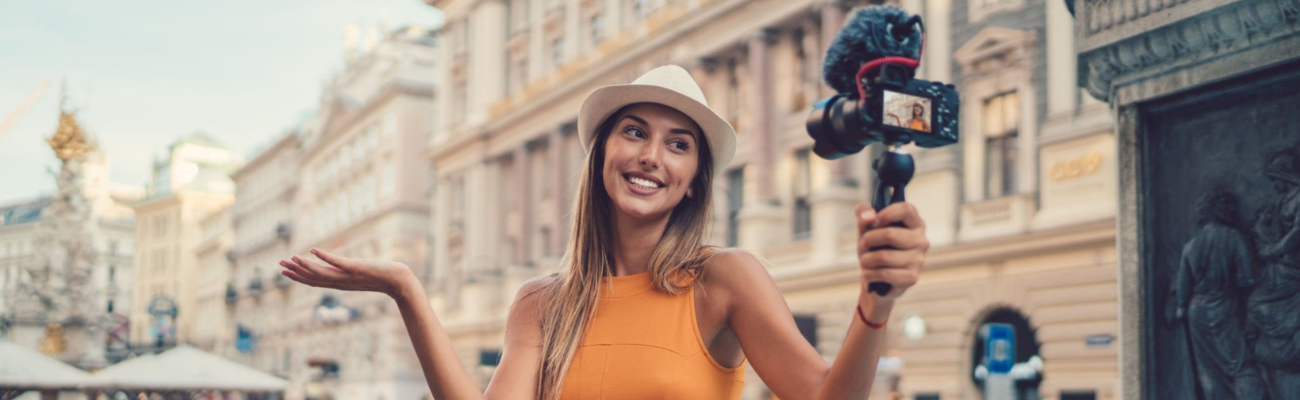
As the tourism industry rebounds and evolves post-pandemic, travel brands are facing a new reality: traditional marketing channels alone no longer suffice. Today’s travelers—especially Gen Z and Millennials—are discovering destinations, planning trips, and even booking directly through social media platforms. For tourism businesses and destinations, understanding these shifts is not just insightful—it’s essential for staying competitive.
- Social Media as the New Search Engine: Platforms like TikTok and Instagram have become powerful discovery tools. In fact, 66% of TikTok users say it’s the most helpful platform for travel inspiration, and 67% use it to search for destinations and experiences. Instagram Reels and Stories offer immersive previews of locations, while TikTok’s short-form videos spark wanderlust and drive direct bookings.
- Influencers: The New Travel Agents: Influencer marketing is no longer a trend—it’s a proven strategy. 73% of travelers say influencer recommendations have led to booking decisions, with younger audiences showing even higher engagement. Micro-influencers and niche creators are especially effective, offering authentic storytelling that resonates with specific traveler personas—from eco-tourists to luxury seekers.
- AI-Powered Personalization and “Phygital” Experiences: Artificial intelligence is enabling hyper-personalized marketing, allowing brands to tailor offers and content in real time. Meanwhile, the rise of “phygital” experiences—where physical and digital merge—means travelers can book directly from social media posts or videos, creating seamless omnichannel journeys.
Emerging Channels and B2B Implications
B2B marketers are increasingly adopting B2C tactics, recognizing that decision-makers are also active on platforms like TikTok and Instagram. In 2025, 60% of B2B marketers are investing in social media advertising, and 56% are leveraging influencer strategies to connect authentically with their audiences.